CAMPAIGNS
The African Hornbill Conservation Alliance supports hornbill conservation organisations in funding their most immediate needs. Below are some of our current funding campaigns. Which of these resonates the most with you?
Adopt a ground-hornbill group
Each symbolic adoption directly supports our efforts to protect and support breeding Southern Ground-hornbill groups in South Africa.
Whether you’re celebrating a birthday, holiday, or another special occasion, this makes a thoughtful and educational gift for anyone passionate about these remarkable birds. Explore the packages below to help contribute to the conservation of Southern Ground-hornbills today.
This is an excellent way for schools, businesses, and nature clubs to rally behind a sound conservation cause.
ADOPT A WILD GROUP
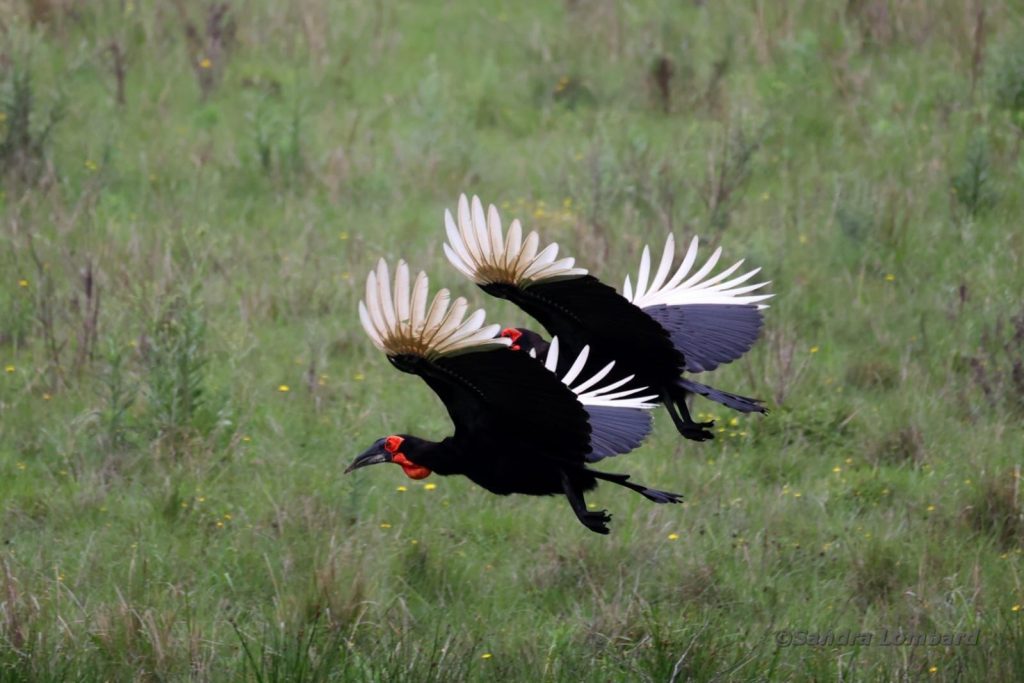
ADOPT A FOSTER GROUP
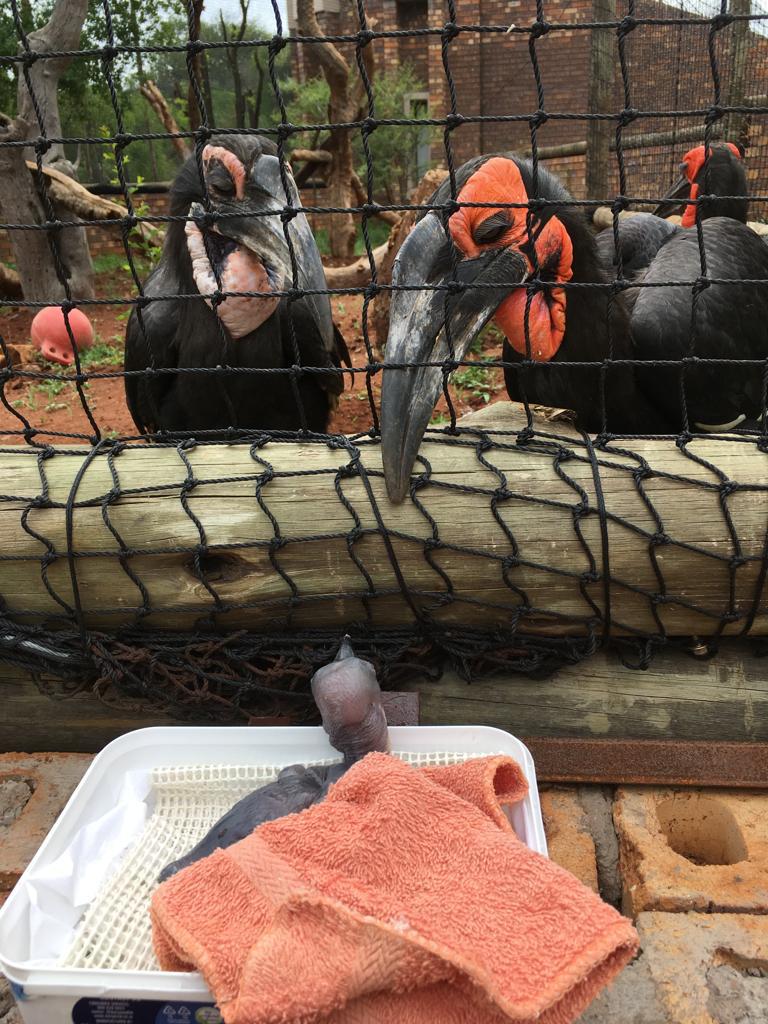
ADOPT A REINTRO GROUP
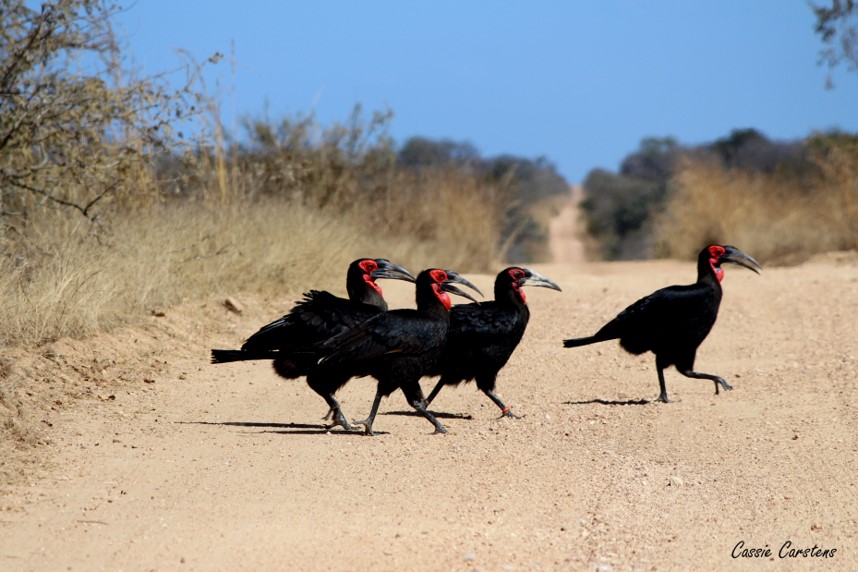
Adoption for kids
If you are adopting on behalf of a child, we will also include:
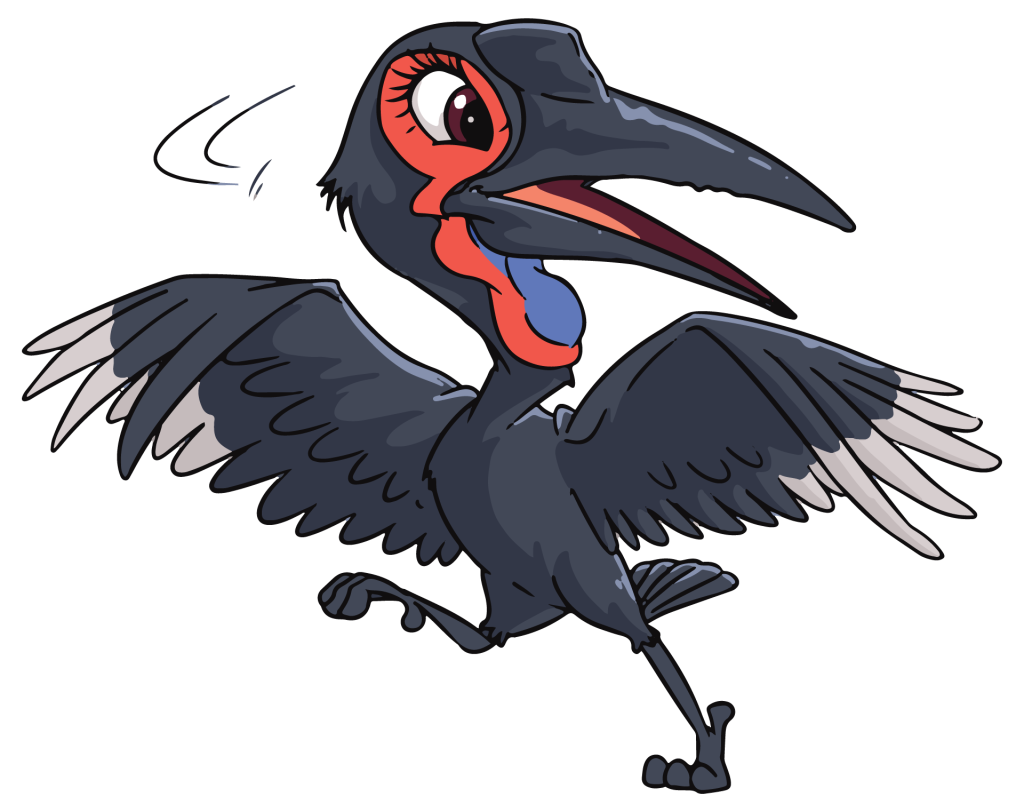
Kids T-shirt, a ground-hornbill plush toy and our comic book, Vusa the Ground-Hornbill Guardian
#understand-love-protect
Want to save on shipping costs and maximize your donation?
Consider an instant nest adoption, forgoing the shipped package of goods to donate the entirety of the cost to the Project. We will still send virtual copies of the certificate, photo and updates! Adoptions are a one-time donation, but you are welcome to adopt as many times as you’d like. Adoption packages are 100% tax-deductible in South Africa.
For more information, contact Dr Lucy Kemp project@ground-hornbill.org.za
Support Abyssinian Ground-hornbill conservation
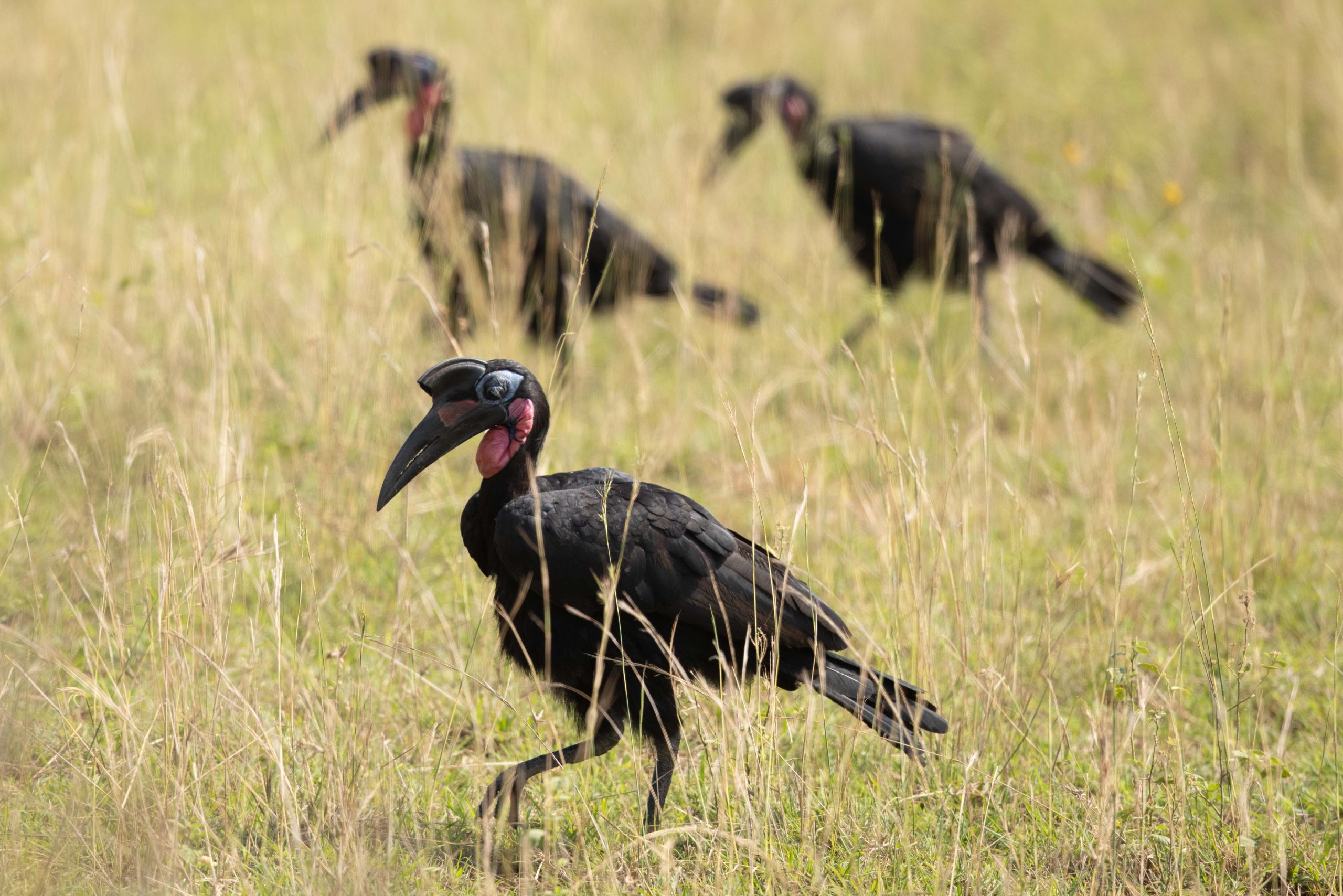
The Abyssinian Ground-hornbill Conservation project was founded in response to the lack of information on Abyssinian Ground-hornbills and the urgent need for their conservation due to habitat loss and wildlife trade. The project focuses on research and deploying mitigation strategies to halt their decline. The Mabula Ground Hornbill Project manages the Project in collaboration with the Kwame Nkrumah University of Science and Technology in Ghana.
We are seeking donations to support ongoing research and students.

Support African hornbill research and advocacy
African hornbills are threatened by unsustainable international trade.
To combat the unsustainable trade in African hornbills and their parts, we need to understand the current levels and mechanisms of trade. For this, we monitor African hornbill trade and capture this through the Hornbills in Trade Database, which informs our mitigation measures.
CITES CoP20
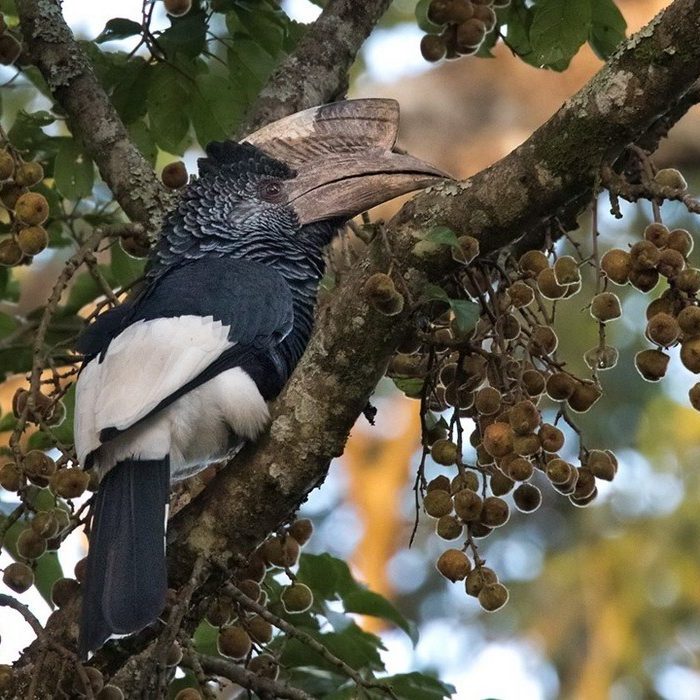
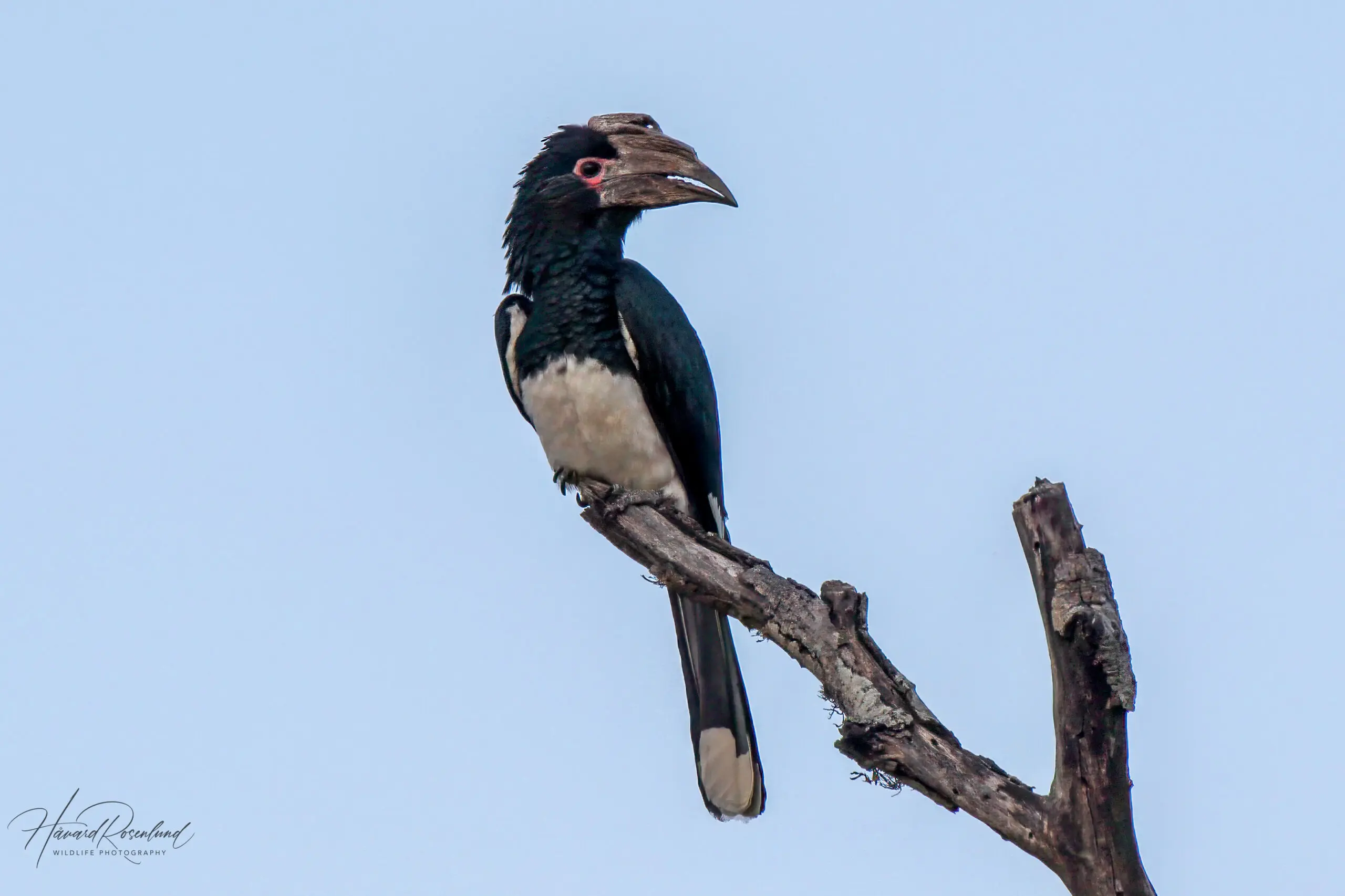
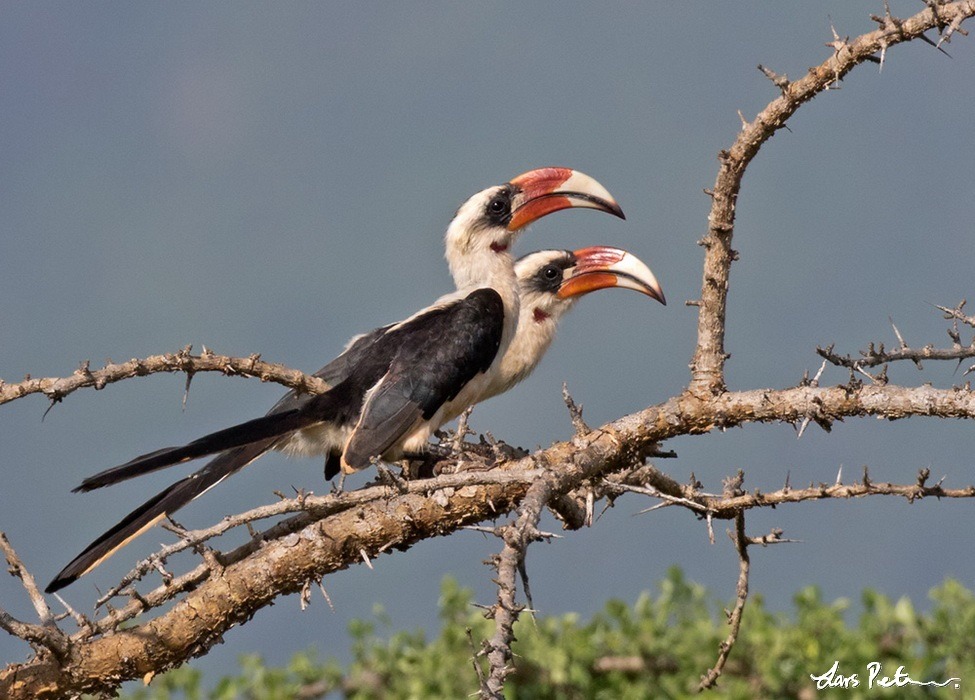
Recently, Nigeria successfully submitted a proposal to list all hornbills in two of the most traded genera, Bycanistes and Ceratogymna on CITES Appendix II. This is a massive step towards strengthening the regulation around hornbill trade. To fully leverage CITES CoP 20 (November 2025, Samarkand, Uzbekistan), the Mabula Ground Hornbill Project in collaboration with Nigeria would like to host a CITES CoP20 “side-event” to bring key stakeholders together to discuss how to implement stronger trade regulation in source and import countries.
Support us by making a donation towards the cost of hosting a CoP20 side-event, or submit anonymous African hornbill trade information: